20 May 2026 / 2 min read
Design Decides Who Takes You Seriously
In tenders and proposals, the right business often loses to a better-presented one. Here is what strong design signals, and why it changes outcomes.

Lee
Graphic Designer
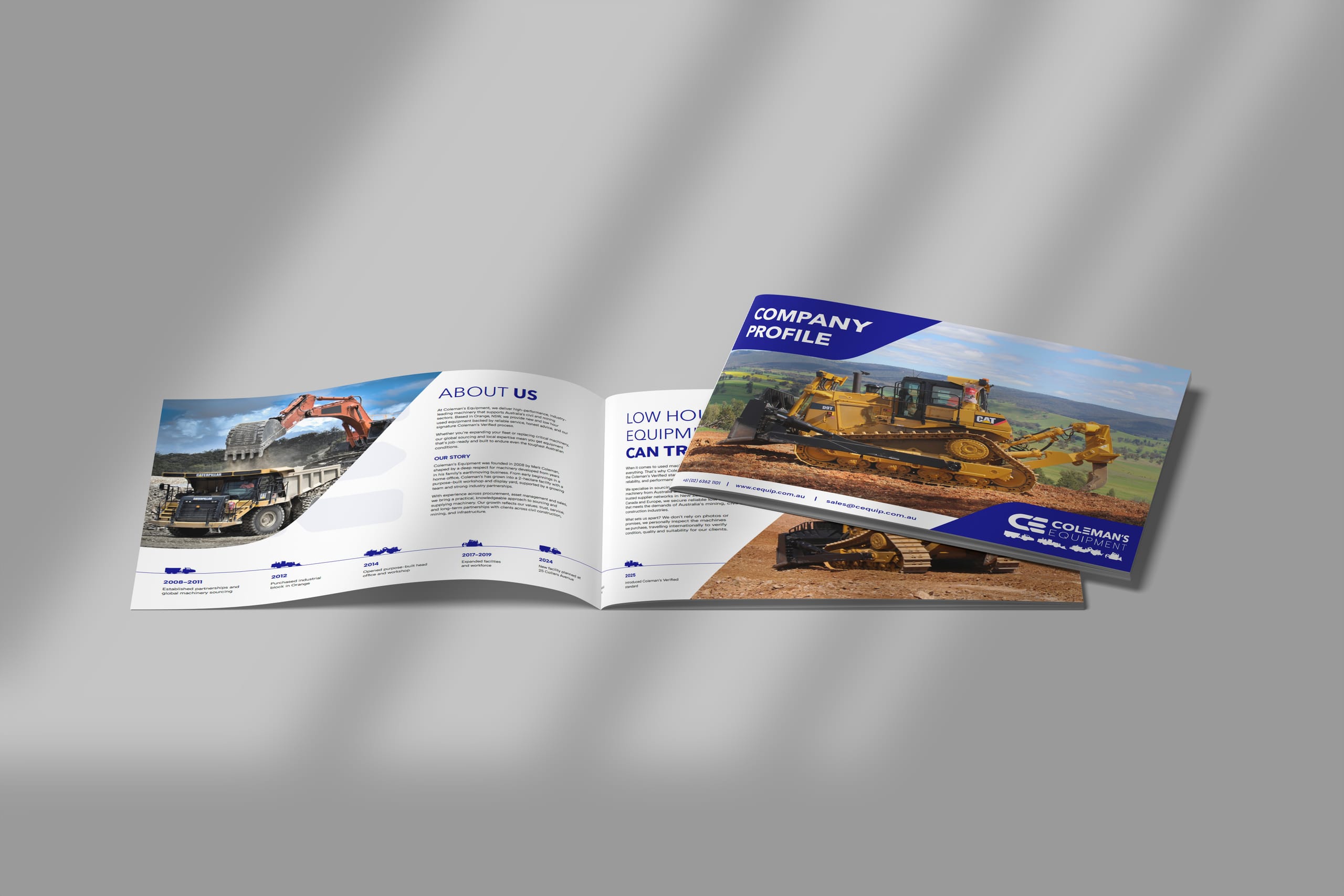
Before a word is read, your audience has already formed an impression.
The cover, the layout, the spacing. All of it lands before the first sentence does.
That impression decides whether you are taken seriously, or quietly set aside.
The Problem Hiding in Tenders and Proposals
This is where it costs real work.
A capable business submits a tender. The work is solid. The pricing is fair. But the document is cramped, inconsistent and hard to follow.
Sitting next to a competitor's clean, confident proposal, it reads as the weaker option, even when it is not.
The better business loses to the better-presented one. It happens constantly.
What Weak Design Signals
Buyers cannot judge your operation directly. They judge the document in front of them and assume the rest.
Weak design signals:
- Doubt about whether you can deliver
- A junior or under-resourced supplier
- Risk, the one thing procurement is trying to avoid
None of that may be true. It does not matter. The impression is already made.
What Strong Design Does
Strong design is not decoration. It does commercial work.
- Clear layout improves comprehension, so your message lands faster
- Structured information improves decision speed, so buyers can act
- A confident, consistent look builds credibility before you have said a word
The goal is not to look pretty. It is to make you easy to understand and easy to trust.
The Assets That Win Work
Some pieces carry more weight than others. These are the graphic design assets worth getting right:
- Capability statements
- Tenders and proposals
- Product and data specification sheets
- Annual reports
- Pitch decks and board presentations
Each one is a moment where someone decides whether you are credible. Each one deserves to be built properly.
Design Is Built From Strategy
Good design does not start with a colour or a font.
It starts with the message and the audience, then uses layout, hierarchy and image direction to carry that message clearly. Every asset should reflect your brand and your position, not just look nice on its own.
That is the difference between design that decorates and design that communicates.
Final Thought
You rarely get to explain your document before someone judges it.
It speaks first. Make sure it says the right thing.
Design decides who takes you seriously.
Common questions
What is a capability statement and why does it matter?
A concise document that proves what your business can do and why it is the safe choice. In tenders and procurement it is often the first and only impression a buyer gets.
Can good design really change tender outcomes?
Yes. Clear layout and hierarchy make your capability easier to understand and trust, which lifts decision confidence when buyers compare suppliers side by side.